Successful Training on Community Mobilization and Chronic Wound Patient Screening in Sodo District
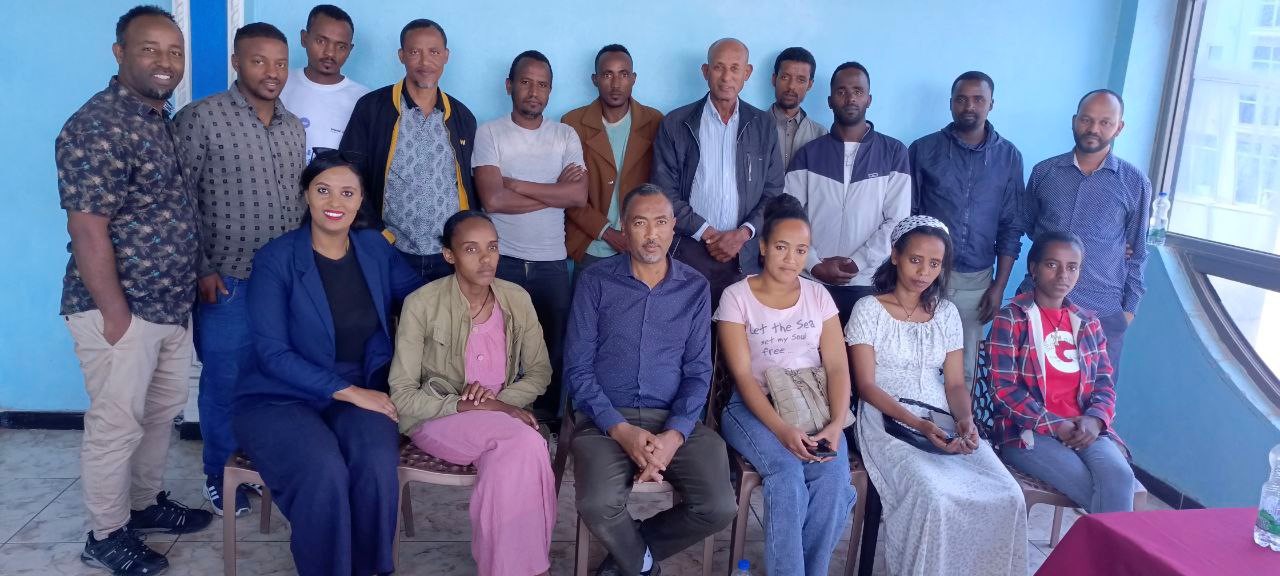
On January 31, 2025, a one-day training session focused on community mobilization and chronic wound patient screening was successfully conducted at the field site in Sodo district. The training brought together 18 participants, comprising 12 females and 6 males, from the district health office, pilot health centers as well as the health extension workers, and field coordinators.
The session began with a comprehensive PowerPoint presentation delivered by Dr. Asrat M., providing a general overview of chronic wounds. This was followed by an engaging group discussion that encouraged participants to share insights and experiences.
Participants were then divided into two groups to develop action plans for patient mobilization and screening tasks. Each group presented their action plans, which sparked further discussion and collaboration among attendees.
To conclude the training, a sample action plan was prepared in Amharic, detailing strategies for patient mobilization and screening, as well as approaches to engage the community in raising awareness about the available services. This training marks a significant step towards improving care for chronic wound patients in the Sodo district.

Training Conducted at the field site Sodo on Baseline Patient Cohort Data Collection Tool for Chronic Wounds
On February 1st and 2nd, 2025, a comprehensive two-day training session took place at Sodo district. This training focused on the baseline patient cohort data collection tool for chronic wound management and primarily targeted data collectors and health workers who had previously completed the Training of Trainers (TOT) holistic wound management program. These participants will play a crucial role in the patient cohort baseline data collection at the Tiya pilot health centers.
A total of 17 participants attended the training, comprising 12 males and 5 females. The training was structured across 12 sessions, with Dr. Asrat M. leading the delivery of the initial part of Section 03. The remainder of Section 03, along with Sections 1 and 12, was done by Mersha K. The health economics component, including Section 2, was presented by Dr. Selam, while Dr. Oumer Ali, delivered all Section 6 up to Section 11.
Throughout the training, each question was discussed thoroughly to ensure consensus among participants. Following the instructional sessions, data collectors practiced using the tool by conducting mock interviews with one another. Constructive feedback was provided on various aspects of the tools, and the training concluded with actionable plans for the district health office, health center, and research team.
Additionally, Mr. Haileleul Bisrat, CDT-Africa’s Senior Data Manager, contributed to the training by providing instruction on REDCap and facilitating pre-piloting of the tools among enumerators. The sessions were highly interactive, addressing all comments and suggestions raised during both the training and pre-piloting phases. A revised version of the data collection tool has since been submitted to the data manager for completion.