The Global Health Research Unit on NTDs at BSMS was honoured to host a delegation of PhD and Postdoctoral students from Rwanda, Ethiopia and Sudan in Oxfordshire for a week-long Academic Writing Retreat.
The retreat took place in the Oxfordshire countryside, a peaceful, secluded spot where researchers had little distractions to pull them away from their work, except perhaps to watch the sheep grazing outside or to wander around the sleepy village nearby. A participant commented that they “appreciated the selection of the location which really helped us fully concentrate on our work, connect with each other, nature and also feel really connected to ourselves.”
The retreat offered dedicated time and space for researchers to focus on their theses, journal articles, and reviews as well as in-depth daily workshops led by Royal Literary Fellows (RLFs), focusing on how to approach their writing with greater clarity, structure, and authority. Guided on finding an academic voice; understanding story and structure, and exploring significance and value, these workshops provided a masterclass in helping researchers produce meaningful and impactful work. Combined with regular 1-1 sessions and supported writing time, the researchers all made good progress on their work.
We asked researchers for what their key takeaways were:
- Tthe writer should always consider the reader/s- with the understanding that the writer will not be there to respond to the potential questions of the reader should they arise, the writer is responsible to ensure that the paper is written with clarity and all the necessary details;
- Classifying the writing time every 40 minutes, it is necessary to set short-term and realistic goals before starting writing, to take a break, reflect, and get back to the desk to continue writing.
- While it is important to use an active voice, the writer has to claim full authority of their its own piece of writing, making sure that his/her voice is really heard in the paper.
- It is imperative to ensure that we do not undersell our contributions. On the other hand, we should always amplify the significance of our study by asking ourselves “so what?!” without exaggerating or over interpreting our data.
- The need to start simple, summarizing one’s planned piece of writing in nine bullet points, without being concerned about spelling, grammar, clarity, and precision.
- The importance of thinking and acting politically [and strategically] when writing a paper- communicating research findings in a manner that is consumable by our target audiences and that could make policy and strategic impacts.
All attendees reported feeling more confident in their writing and better equipped to overcome challenges. One participant shared, “I am so impressed by the innovative ways used to facilitate this workshop, so interactive and clear!”
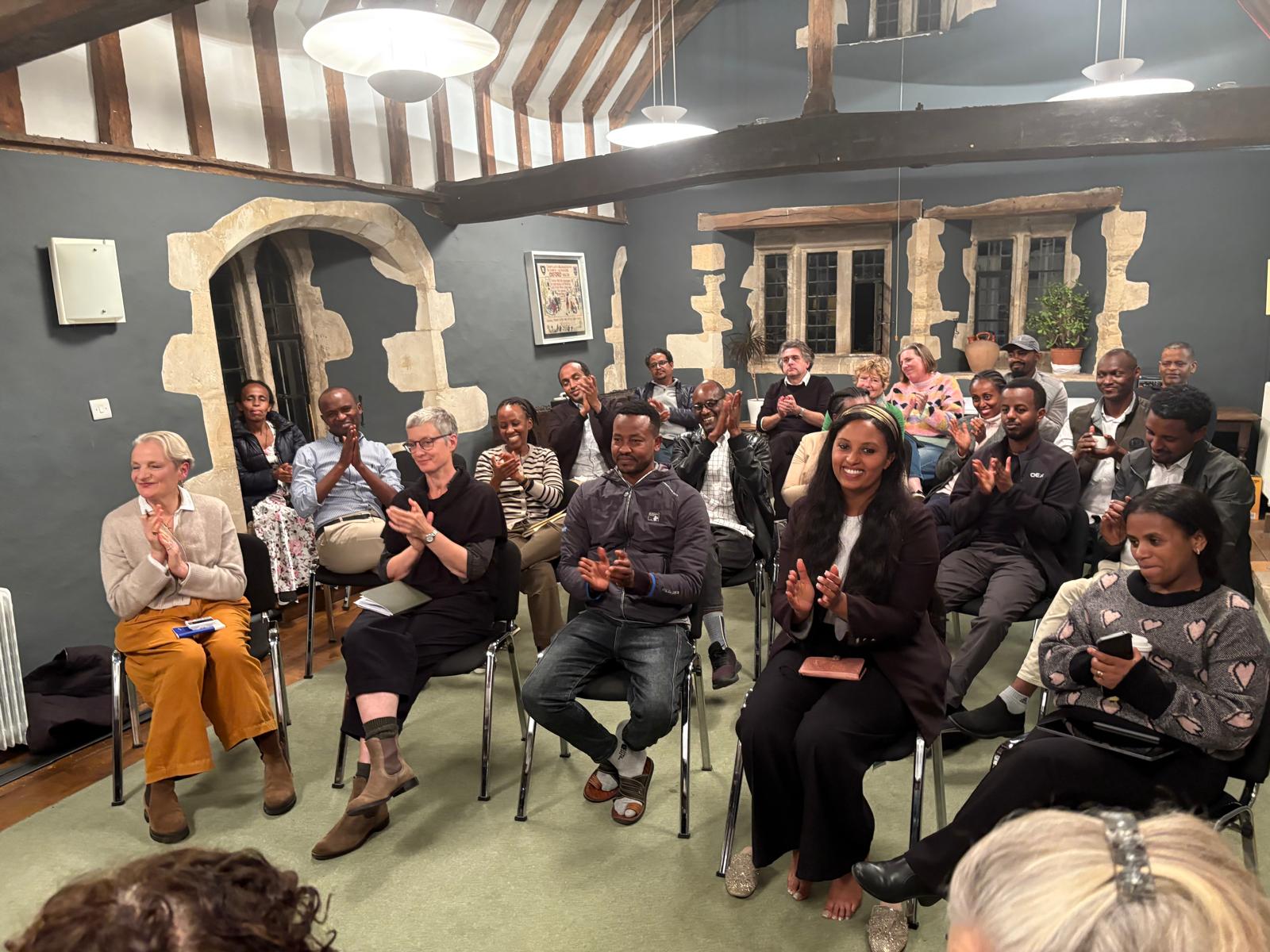
Researchers and academics participate in the panel.
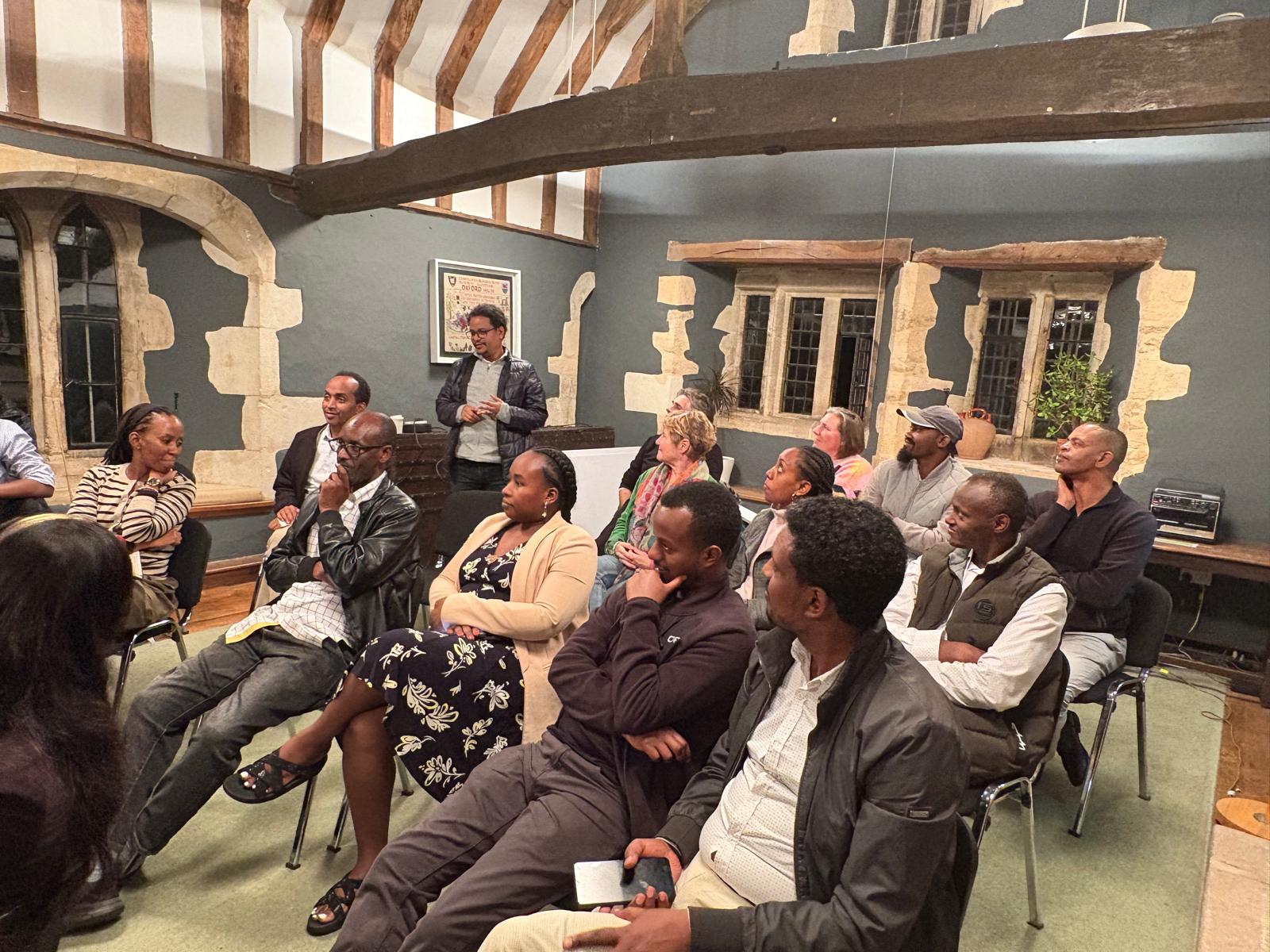
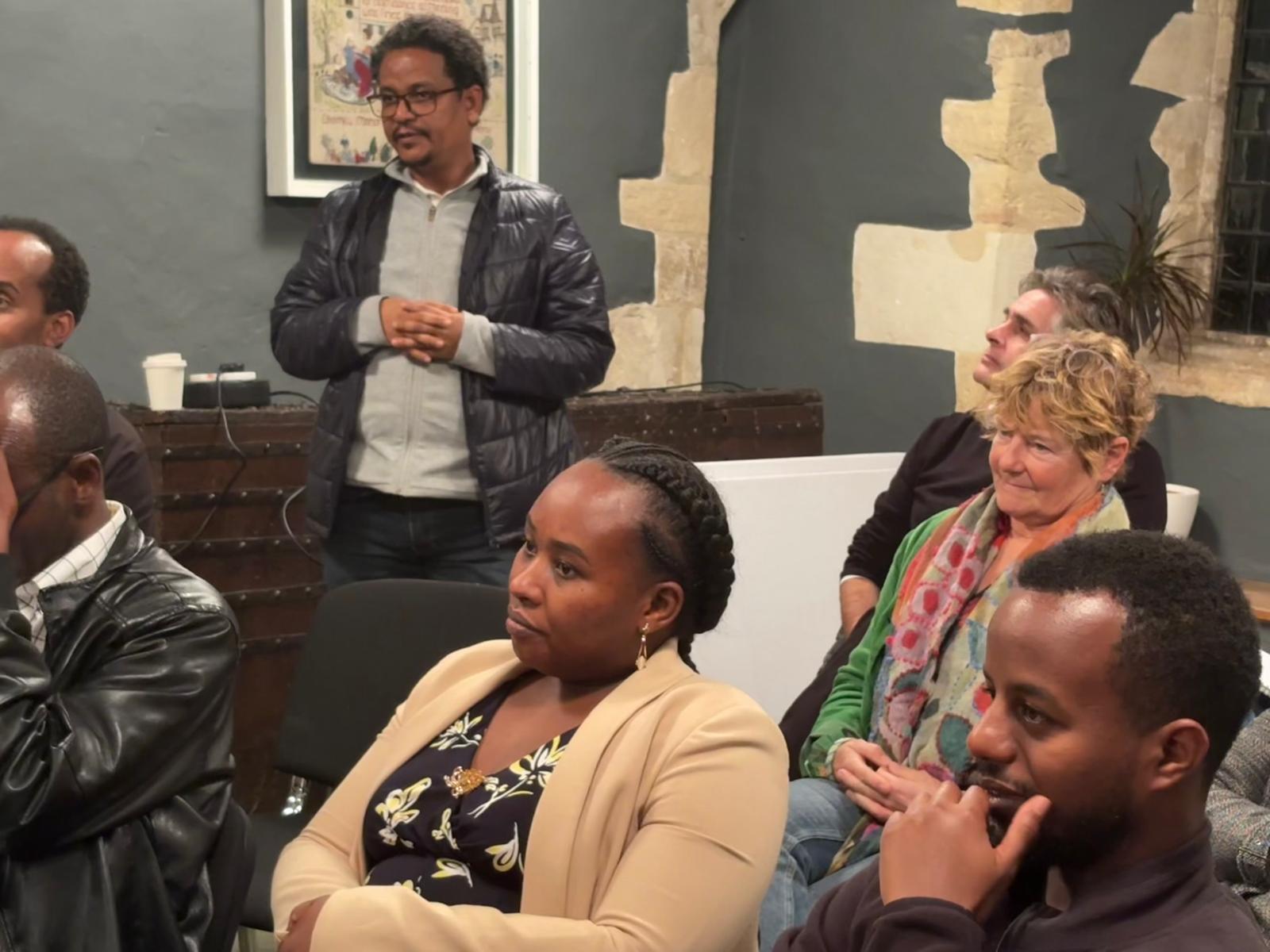
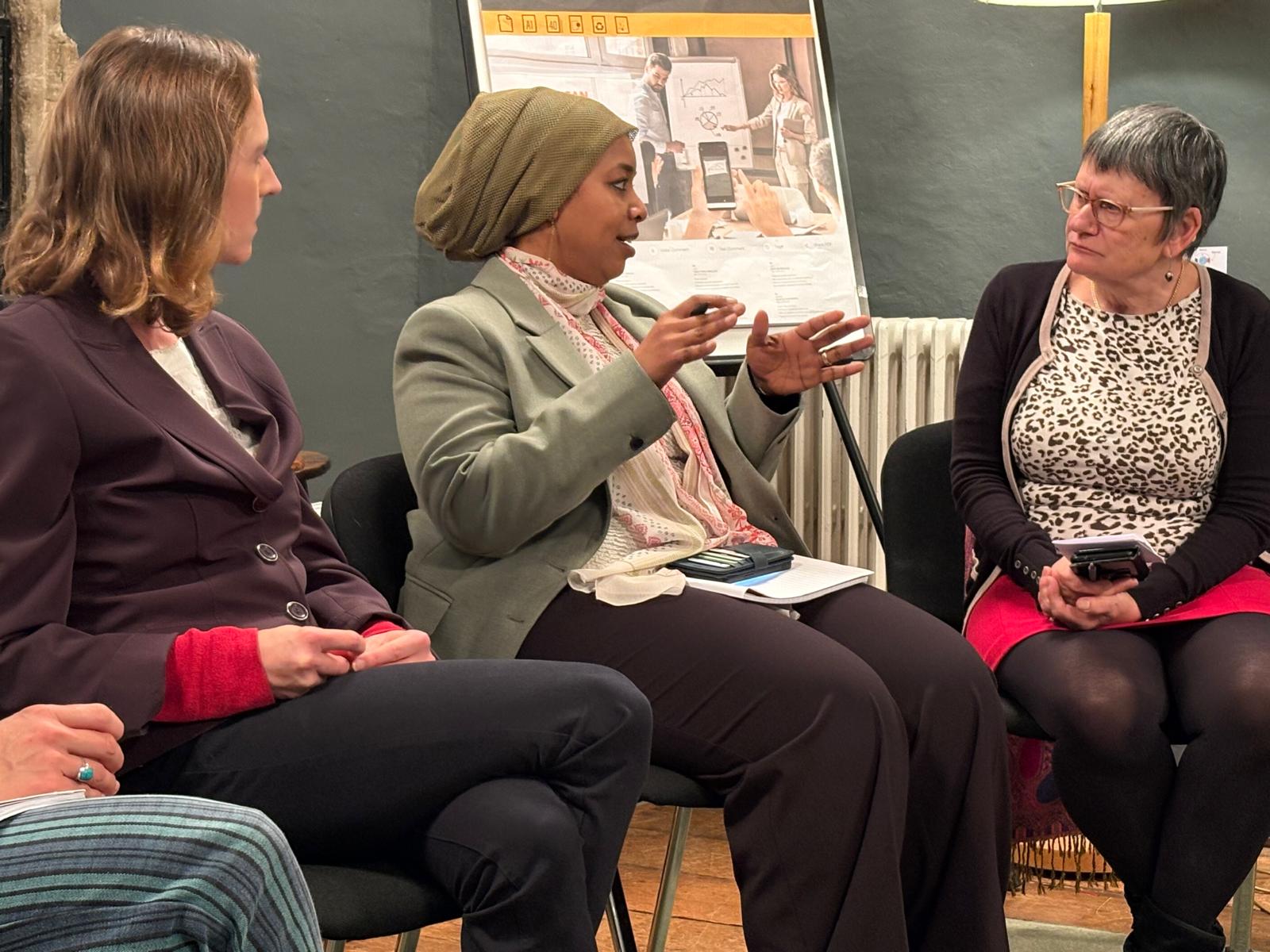
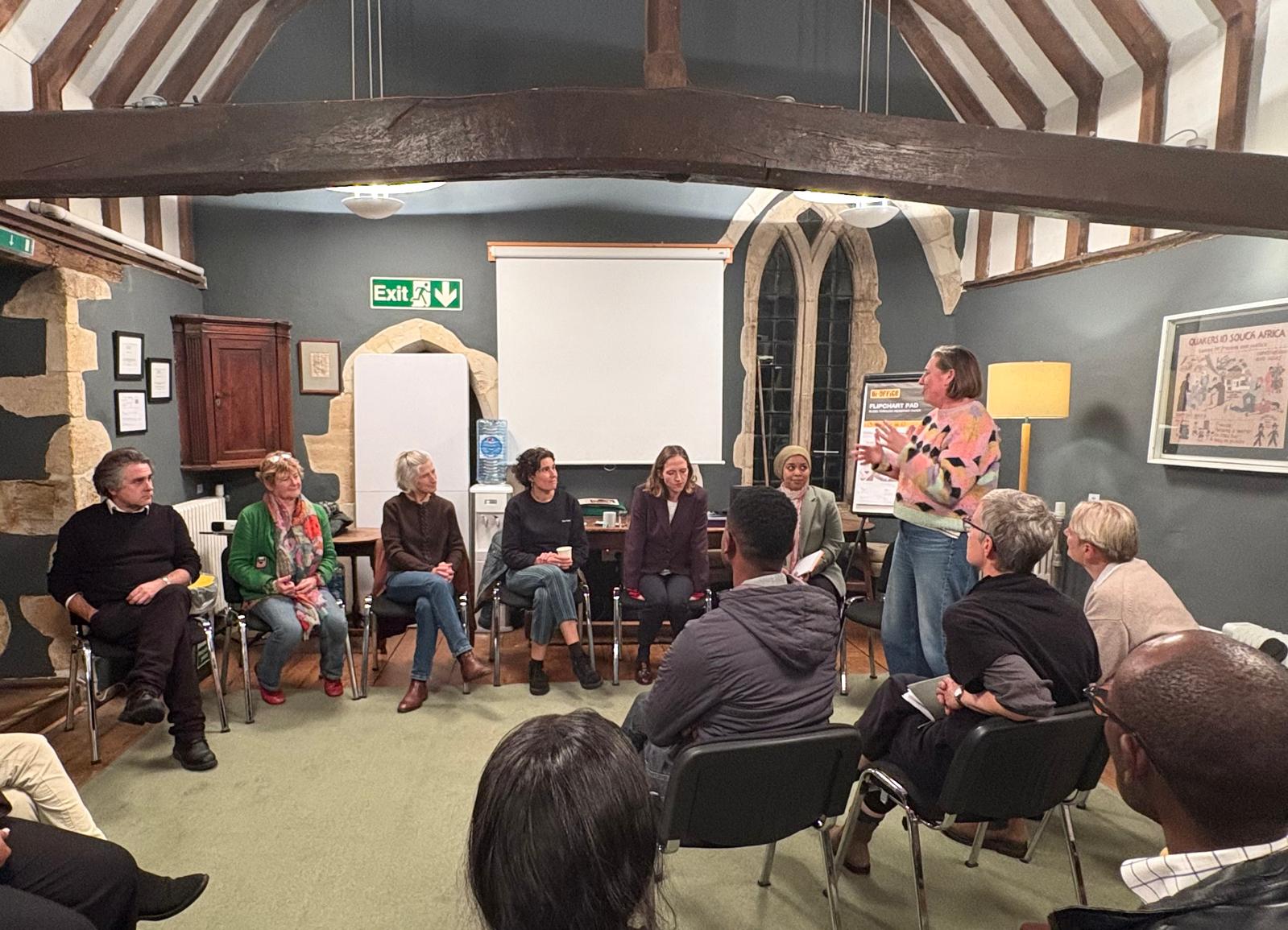
Later in the week, a panel session hosted by BSMS academics provided an opportunity to hear the experiences of other’s own writing experiences and challenges. The session encouraged collaboration as a means to strengthen research communication. One participant remarked “I learnt about challenges faced mostly before, but also during and after starting writing are commonly shared among most writers and hence, I am not alone in facing some of my challenges that I used to believe are applicable only to me. Interestingly, I have also learned how to tackle those challenges. The panel discussion held with the BSMS academics was so helpful in this regard.”
To give the researchers a break from the writing, the group shifted focus to participating in focus groups based on their experiences of undertaking Community Engagement and Involvement. These discussions provided a space for honest discussion that will form part of a GHRU research project.
As we neared the end of the week, the session was handed over to Tom Barker from the Institute of Development Studies. He led a session on ‘Mobilising evidence for action’ which aimed to get everyone looking at their research and writing from an advocacy and policy perspective. Despite being at the end of a long week, the researchers remained engaged and participated, disusing the importance of communicating evidence and learning from research, and what the barriers are to the use of research evidence in decision making.
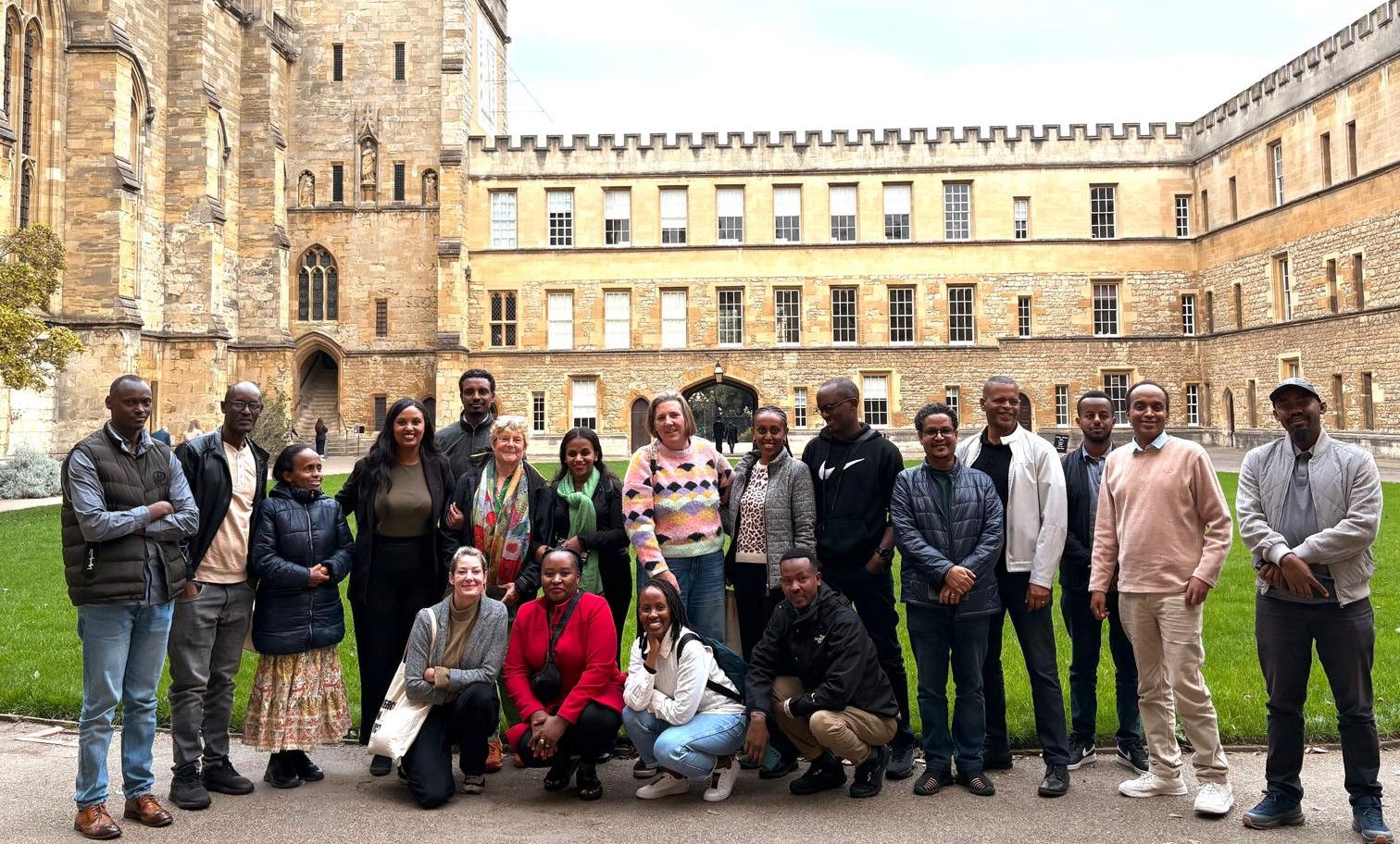
Outside the structured sessions, participants made the most of their time in Oxford, visiting the Bodleian Library and a tour with chemists at New College, as well as Oxford City Centre. These tours to sites of academic, literary and historical significance offered further inspiration for their work. Whether carefully avoiding the college lawns, discussing the laboratories, guessing the ages of centuries-old buildings, or hunting for memorabilia, the excursions provided a welcome opportunity to unwind and recharge.
As the retreat ended, there was a strong sense of camaraderie and enjoyment among everyone involved. We’re delighted that the participants enjoyed their time in Oxford and made the most of their experience, both inside and outside of the sessions. We are grateful for all their hard work and constant engagement throughout the week, and being an inspiring team to work with!
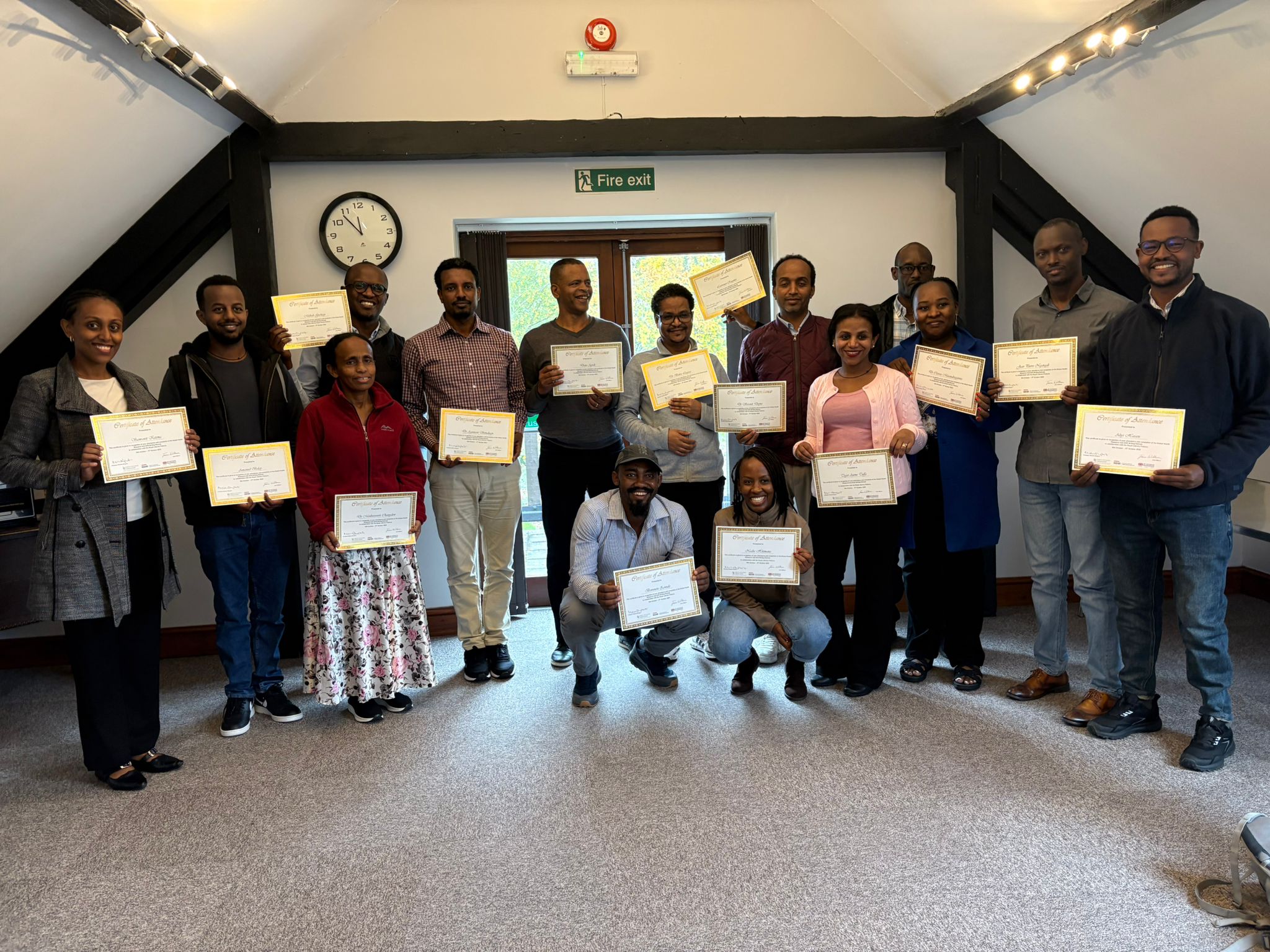
Certificates of achievement for all who attended.
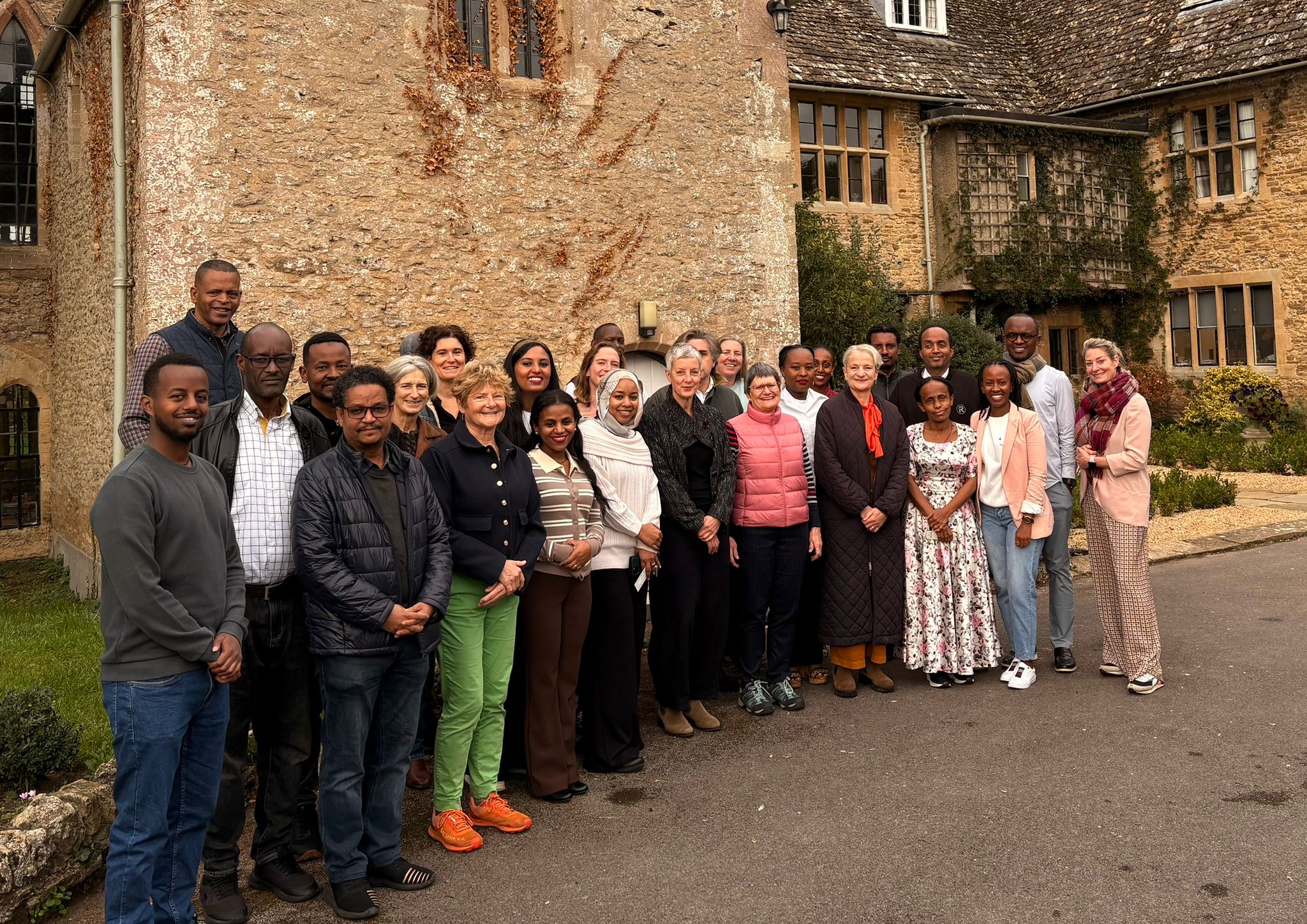
Outside the retreat location.
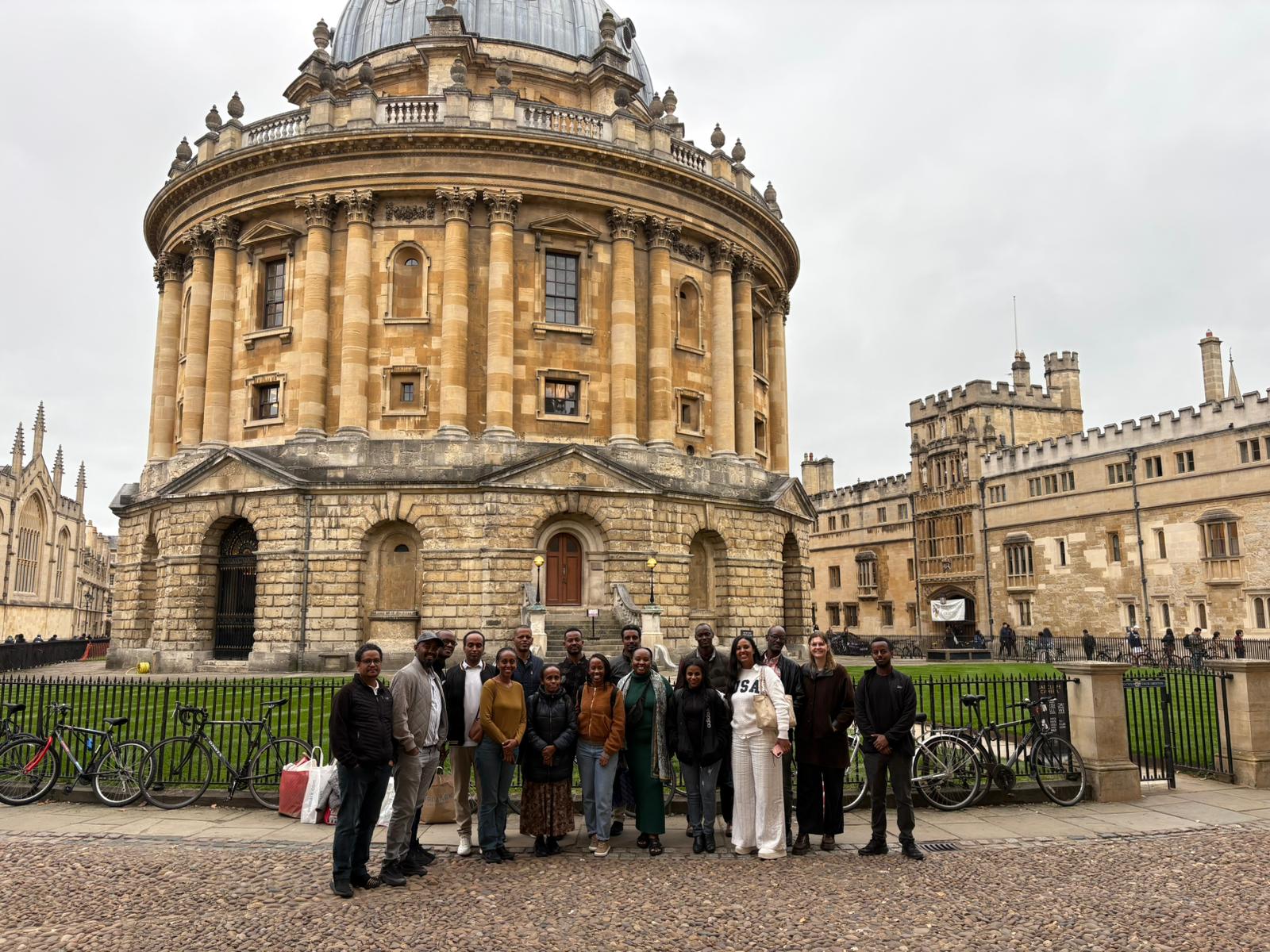
Visiting the Bodelian Library.