“As a human being doing research I am trying to help people, through my research. There is a change on a national level but to other people beyond the UK, which is a moral goal in terms. We are trying to build capacity as well, so my friends in Rwanda building their skills and being confident in what they are doing is a big change for me as well” – Dr Fisal Tantoush.
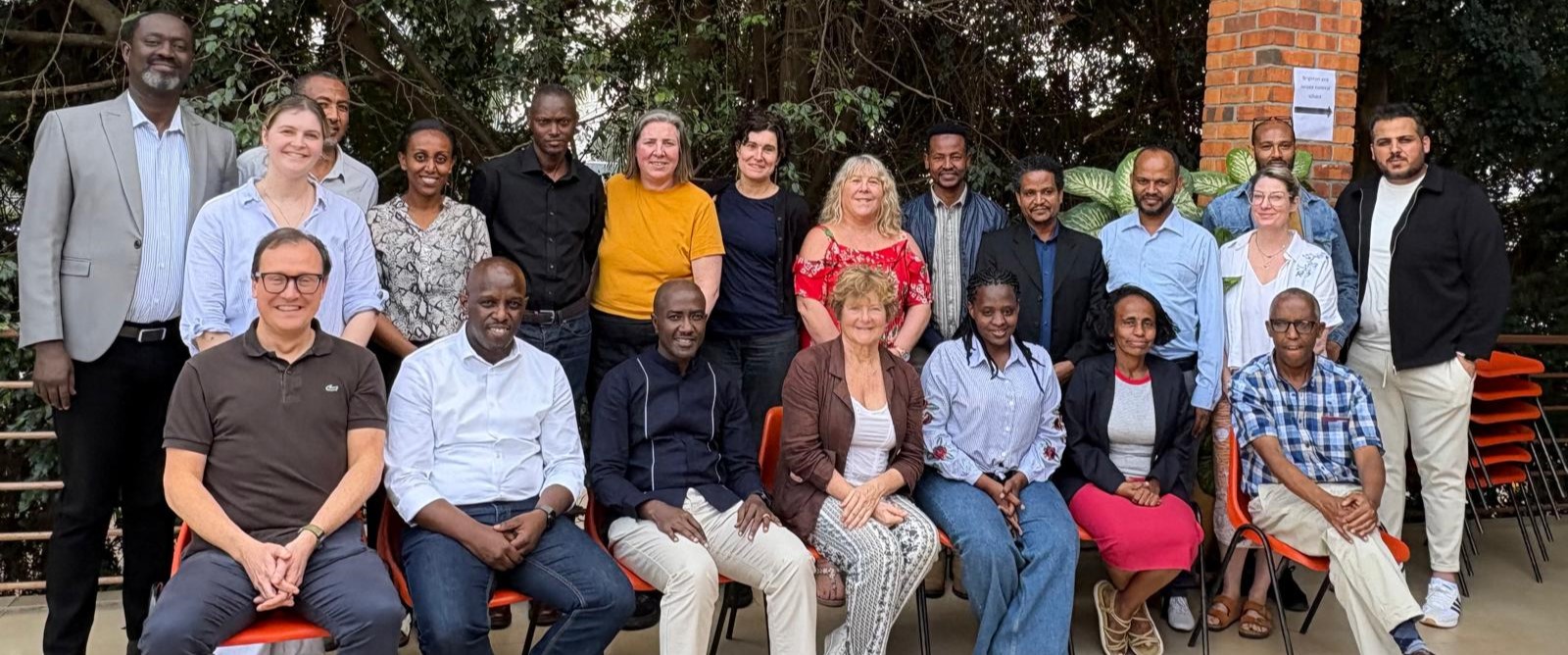
On Friday, 24th January 2025 in Kigali, Rwanda, theme leads from across the GHRU met in person to work on developing their impact strategies for the remainder of the grant. The meeting was facilitated by Dr Gem Aellah, Tom Barker and Jenni Wilburn and took place following the Second International podoconiosis conference held in collaboration with InCorNTD, which many of the GHRU team attended.
Gem began the day by providing an overview of what impact is, and why it matters. She highlighted what research impact means and the importance of us having a common understanding of it across the GHRU, she talked about understanding what is and what is out of our control but as researchers there are lots of steps, we can take to put us in the best place to achieve impact.
Jenni and Tom then discussed the reasons why it was important for us as a group to reflect on research impact at this point in the programme and some key principles for change. Then Tom went onto explore what a theory of change is, and how this process can help guide the steps to achieving impact, as well as promote co-production with the stakeholders and the communities that we work with.

Tom remarked that the Theory of Change is a tool to aid this process and can be used in many different formats and is an iterative tool which should be revisited frequently.
Members of the theme 4 team on the GHRU Phase 2, Dr Maya Semrau and Dr Asrat, presented an update over the Theory of Change previously conducted on the overall theme. They reflected on the learnings and challenges of using the Theory of Change throughout GHRU1 and 2. Following a coffee break, the meeting broke into smaller groups to undertake a stepping stone activity to enable the different themes to explore howthey can develop their theory of change, review their intended impacts and and determine the steps needed to take to achieve these. This provided valuable space for the teams to research impact they are aiming to achieve, any assumptions and risks they need to consider and then to discuss how they might be able to measure this impact and what things they need to put in place to do so. After a few hours of discussion, strong progress was made and theme members presented back their discussion to the rest of the group.
“One of the changes that I expect from my research is that we will have a capacity for drug and diagnostic development in Ethiopia. When I joined CDT Africa, this was totally new and we had to really understanding the process first. Once we understood the process the next step was to assemble the team from different disciplines, and thirdly, we have to upgrade our laboratories, our facilities, for enabling drug development. And of course, other projects like, for example, the EnDPoINT (GHRU1) phase one, for example, is a project, which leverages local resource, partnerships and some local knowledge as well.” – Dr Belete Legesse
Teams reflected on the difference between outputs and outcomes and some themes noting that the impact of their research might not be felt until after then of the GHRU. All themes agreed more detailed work on the stepping stones to impact were needed specifically identifying ways to measure and evidence this in a timely and sensitive manner.


This provided valuable insight into the progression of the project and how the GHRU will contribute towards impact on NTD Research. Following this presentation, Jenni Wilburn summarised the presentations, and closed the session with a presentation on how impact is collected and reported within the GHRU and possible ways to evidence and measure impact.
“Through our implementation research on scabies with street children we hope to increase awareness, reduce misconceptions and increase health seeking behaviours around scabies.” – Professor Getnet Tadele
Jenni noted that whilst we can’t change our starting point, we can still influence our end point and spoke about different ways of evidencing impact and the importance of building that into your ongoing research activities so that we are able to clearly demonstrate both the change seen in the world and evidence the link the research of the GHRU had to resulting in that change.

During the session, we spoke to researchers about their hoped impact from their work. It was great to hear all the motivations and hopes for the programme, thank you for providing your quotes.